
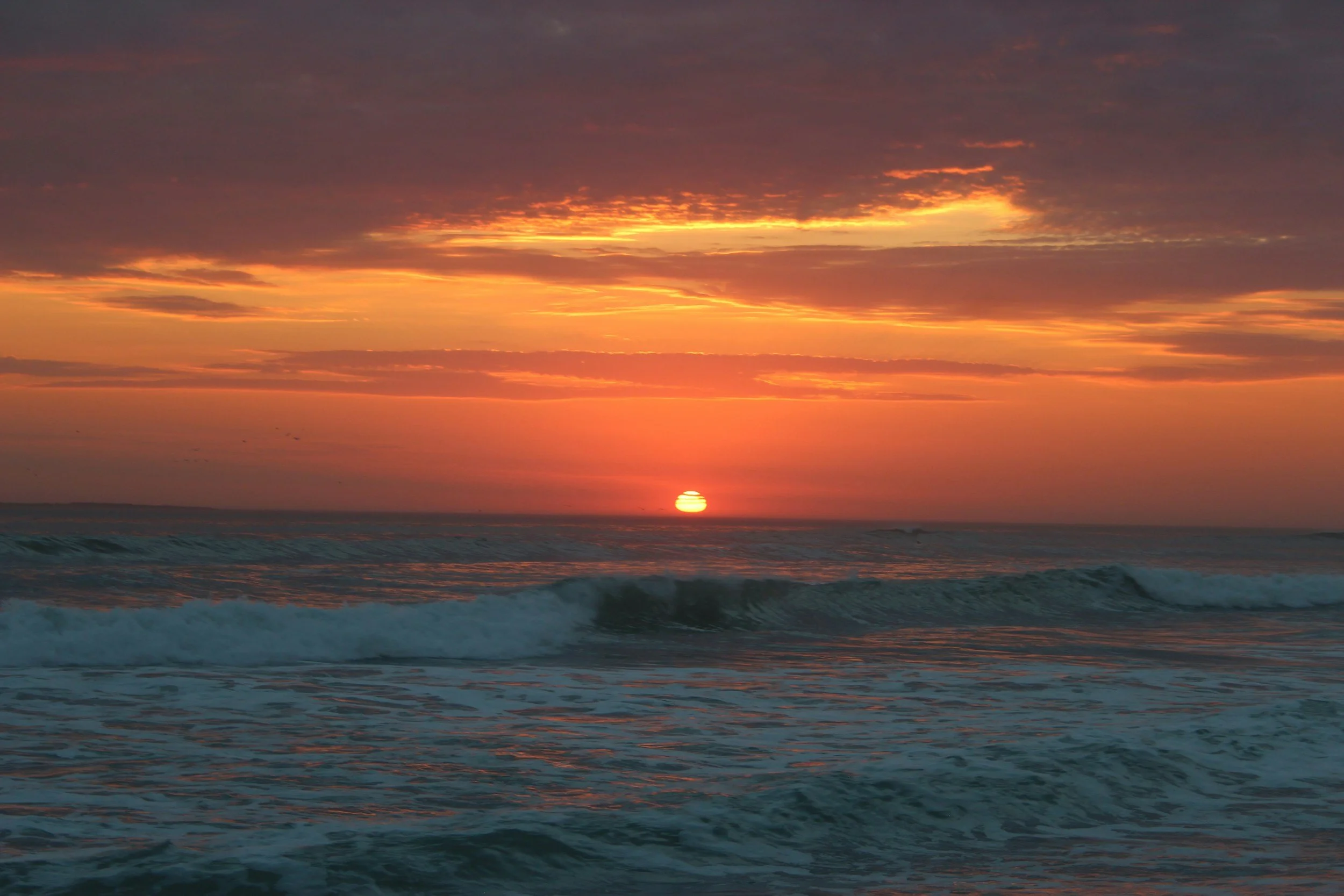
Florida Gulf Coast Beach Conditions
Simple guidance to help you understand beach conditions before your trip.
Understanding Florida’s Gulf Coast
Florida Gulf Coast red tide conditions can vary significantly from beach to beach. Red Tide Guard® provides calm, easy-to-understand guidance to help families navigate Florida Gulf Coast red tide updates and beach conditions across the region.
Florida’s Gulf Coast stretches hundreds of miles — from the Emerald Coast of the Panhandle to the barrier islands of Southwest Florida.
While headlines may reference “Florida red tide” broadly, coastal conditions vary significantly by region, shoreline orientation, wind direction, and seasonal patterns.
Red Tide Guard® organizes these variations clearly so families can plan beach time with confidence.
This page connects you to beach-specific guides across the Gulf Coast, each designed to explain local patterns in calm, plain language.
For daily region-wide updates, visit the Red Tide Guard® Daily Coastal Briefing.
How to Use This Page
Select your destination below.
Review how coastal patterns affect that specific beach.
Check the daily briefing for current conditions.
Subscribe for ongoing updates if you’re planning travel.
Each beach guide explains:
• What red tide means locally
• How geography influences conditions
• Seasonal trends to understand
• What families should know
Explore beach conditions for each major Florida Gulf Coast destination:
Florida Panhandle
Destin
Bright white sand and Emerald Coast waters with seasonal variability influenced by offshore Gulf patterns.
View Destin Guide →
Panama City Beach
Family-focused Emerald Coast shoreline with regional circulation patterns distinct from Southwest Florida.
View Panama City Beach Guide →
Tampa Bay Area
Clearwater Beach
Wide sandy shoreline influenced by Gulf winds and the Tampa Bay coastal system.
View Clearwater Beach Guide →
St. Pete Beach
Barrier island coastline with localized wind-driven variability.
View St. Pete Beach Guide →
Sarasota & Manatee County
Anna Maria Island
Narrow barrier island fully exposed to Gulf-facing winds and currents.
View Anna Maria Island Guide →
Siesta Key
Iconic quartz-sand beach with wind-driven shoreline variability.
View Siesta Key Guide →
Sarasota
City-level coastal region including Lido Key and Longboat Key with localized shoreline variation.
View Sarasota Guide →
Southwest Florida
Sanibel Island
East-west oriented barrier island influenced heavily by wind direction.
View Sanibel Island Guide →
Captiva Island
Narrow Gulf-facing island with localized wind and tidal variation.
View Captiva Island Guide →
Marco Island
Southern Gulf Coast shoreline influenced by regional wind and offshore patterns.
View Marco Island Guide →
Why Conditions Vary Across the Gulf Coast
Red tide is a naturally occurring algae bloom that forms offshore in the Gulf of Mexico. Its impact depends on:
• Wind direction
• Nearshore water movement
• Shoreline orientation
• Seasonal coastal cycles
Because of these variables, one region may experience calm conditions while another sees temporary shoreline effects.
Understanding geography helps reduce uncertainty.
Planning Florida Gulf Coast Travel With Confidence
Most beach days across Florida’s Gulf Coast are calm and enjoyable.
When red tide is present, impacts tend to be:
• Temporary
• Wind-dependent
• Localized
• Variable by region
Families traveling with young children or individuals with respiratory sensitivities may prefer to monitor daily updates before heading out.
The goal is not to avoid Florida’s Gulf Coast.
It’s to understand it.
Stay Updated
For calm, plain-English updates tailored to families visiting Florida’s Gulf Coast:
View Today’s Red Tide Guard® Daily Coastal Briefing
Subscribe for Daily Coastal Updates